
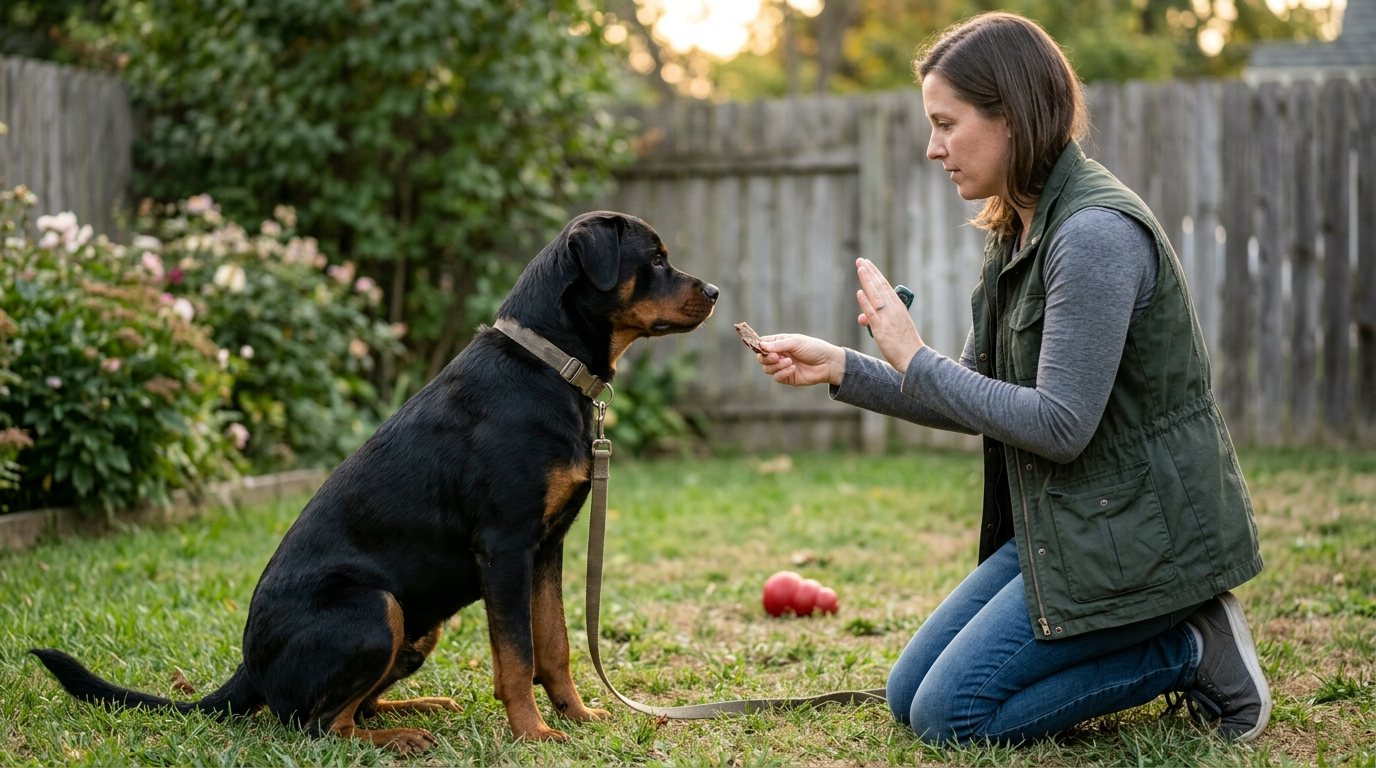
Teaching impulse control adolescent dogs require becomes one of the most important tasks during the teenage phase. As puppies grow into adolescents, energy increases, distractions multiply, and boundaries get tested. However, this stage also presents a powerful opportunity to shape calm and focused behavior.
During adolescence, the brain continues developing while hormones shift rapidly. Therefore, emotional reactions often outpace rational thinking. Without guidance, impulsive habits can form quickly. On the other hand, structured training builds patience and self-regulation.
Teaching impulse control adolescent dogs benefit from requires consistency, timing, and clear communication. Short, focused sessions work better than long drills. Moreover, positive reinforcement strengthens learning far more effectively than punishment.
When owners invest in impulse control early, they build safer, more balanced adult companions. Understanding why teens struggle helps you respond with strategy instead of frustration.
Why Adolescence Amplifies Impulsive Behavior
Adolescent dogs experience major neurological changes. Although they understand basic commands, their ability to pause before reacting weakens temporarily. Consequently, jumping, barking, and pulling may increase.
Teaching impulse control adolescent dogs need begins with understanding brain development. The emotional center matures faster than the reasoning center. As a result, excitement overrides learned behaviors.
Distractions also become more interesting. New smells, sounds, and moving objects trigger instant reactions. Therefore, expecting flawless obedience is unrealistic.
Instead of viewing impulsivity as defiance, treat it as a training opportunity. Clear structure reduces confusion and builds confidence.
Patience during this stage prevents frustration for both dog and owner.
Foundations of Self-Control Training
Before increasing difficulty, strengthen basic obedience. Sit, stay, and recall provide the groundwork for higher-level restraint.
Teaching impulse control adolescent dogs succeed with requires starting in low-distraction environments. Practice commands at home before challenging outdoor settings.
Reward delayed gratification consistently. For example, ask for a sit before tossing a toy. Gradually increase waiting time before release.
Timing matters greatly. Mark calm behavior immediately so your dog understands what earns rewards.
Short sessions maintain engagement. Because teenage dogs lose focus quickly, 10-minute sessions work best.
Solid foundations make advanced control far easier later.
Using “Wait” to Build Patience
The wait command teaches dogs to pause briefly before accessing something they want. Although simple, it powerfully improves self-control.
Teaching impulse control adolescent dogs through wait exercises starts at doorways. Ask your dog to sit and pause before opening the door. Release only when calm.
Next, apply wait before meals. Hold the bowl briefly until your dog maintains eye contact.
Gradually increase duration over time. However, avoid pushing too quickly. Small progress prevents frustration.
Consistency transforms waiting into habit. Eventually, your dog begins pausing automatically rather than rushing forward.
This simple cue lays the foundation for broader emotional regulation.
Mastering “Leave It” for Distraction Control
Leave it teaches dogs to disengage from tempting objects. Because adolescence increases curiosity, this command becomes essential.
Teaching impulse control adolescent dogs through leave it begins with low-value items. Place a treat in your hand and reward when your dog looks away.
Progress to placing treats on the floor. Cover them initially, then expose them gradually as self-control improves.
Practice outdoors as well. Use safe objects like sticks or toys to reinforce disengagement.
Always reward compliance quickly. Positive reinforcement strengthens restraint far better than punishment.
Over time, leave it generalizes to real-life distractions such as food on sidewalks or other animals.
Delayed Gratification Through Structured Play
Playtime offers powerful teaching moments. Instead of free-for-all excitement, add rules that encourage patience.
Teaching impulse control adolescent dogs during fetch involves asking for a sit before throwing the ball. Pause briefly between throws to prevent overstimulation.
Tug games can also reinforce boundaries. Begin and end play on your command. If excitement escalates, pause calmly.
Controlled play channels energy constructively. Additionally, it reinforces your leadership.
Balance excitement with structure. When your dog learns to shift between arousal and calmness, emotional flexibility improves significantly.
Structured fun strengthens obedience while maintaining engagement.
Impulse Control During Walks
Leash pulling often intensifies during adolescence. Therefore, walking becomes a prime training opportunity.
Teaching impulse control adolescent dogs on walks requires consistent expectations. Stop moving when pulling occurs. Resume only when the leash relaxes.
Reward eye contact and loose-leash positioning. Short praise keeps motivation high.
Change direction unexpectedly to maintain focus. Sudden turns encourage attention.
Gradually introduce busier environments. However, avoid overwhelming situations too quickly.
Calm, structured walks build discipline and reduce frustration for both handler and dog.
Strengthening Focus with Eye Contact Training
Focus exercises improve emotional regulation. When dogs maintain eye contact, they pause before reacting.
Teaching impulse control adolescent dogs through focus games starts indoors. Say your dog’s name and reward immediate eye contact.
Increase duration gradually. Practice in mildly distracting settings.
Eye contact redirects attention away from triggers. As a result, reactive behaviors decrease.
Short daily focus drills enhance reliability. Strong attention creates a foundation for advanced obedience.
Consistent practice transforms scattered attention into controlled awareness.
Managing High-Excitement Situations
Teenage dogs often struggle during greetings. Jumping and barking reflect excitement rather than aggression.
Teaching impulse control adolescent dogs during greetings requires clear boundaries. Ask for a sit before interaction. If jumping occurs, withdraw attention briefly.
Reward calm posture and relaxed body language.
Limit high-energy introductions initially. Calm environments allow better success.
Gradual exposure builds confidence without overstimulation.
By managing excitement early, you prevent ingrained habits later.
Building Emotional Regulation Through Settle Training
Settle training teaches dogs to relax on cue. This skill proves invaluable in busy households.
Teaching impulse control adolescent dogs to settle begins with a designated mat. Reward calm lying down and relaxed breathing.
Increase duration slowly. Add mild distractions once reliability improves.
Practice after play sessions to encourage smooth transitions from excitement to calmness.
Calm-down routines build resilience. When your dog learns to self-soothe, overall impulsivity decreases.
Emotional regulation strengthens maturity and confidence.
Consistency and Long-Term Success
Impulse control does not develop overnight. Therefore, daily reinforcement remains critical.
Teaching impulse control adolescent dogs requires repetition across various settings. Generalization ensures reliability.
Avoid emotional reactions during setbacks. Instead, calmly reset and try again.
Celebrate progress consistently. Small improvements indicate meaningful growth.
As adolescence passes, mature behavior emerges naturally when foundations remain strong.
Patience and structure produce lasting results.
Conclusion: Turning Energy Into Discipline
Adolescence challenges even experienced owners. However, this phase offers tremendous opportunity.
Teaching impulse control adolescent dogs equips them with skills for lifelong success. Through consistent training, structured play, and calm leadership, impulsive behavior transforms into thoughtful action.
Small, daily exercises build patience and reliability. Moreover, positive reinforcement fosters trust and cooperation.
With steady guidance, teenage chaos becomes controlled energy. Over time, self-regulation replaces impulsive reactions.
Investing in impulse control today ensures a calmer, safer, and more balanced adult companion tomorrow.
FAQ
1. At what age should impulse control training begin?
Training can begin as early as puppyhood and should intensify during adolescence.
2. How long does it take to see improvement?
Consistent daily practice often shows progress within several weeks.
3. Can high-energy breeds develop strong self-control?
Yes, with structured guidance and repetition, even energetic breeds learn restraint.
4. Should punishment be used for impulsive behavior?
Positive reinforcement works more effectively and builds trust.
5. What if my dog regresses during adolescence?
Regression is common. Return to basics briefly and reinforce foundational skills.