
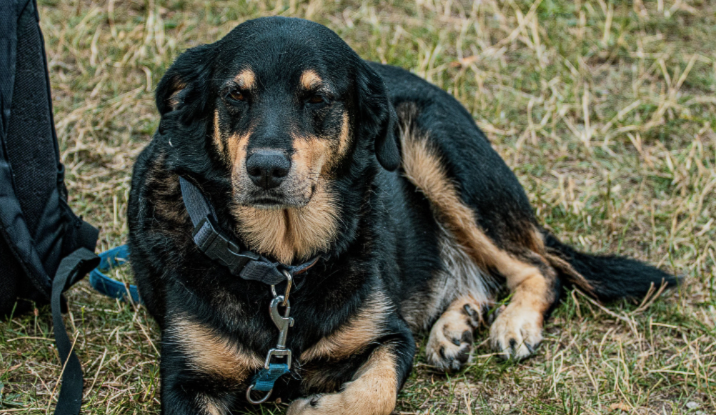
A strong recall command is one of the most valuable skills your Rottweiler can learn. Whether it’s calling them away from distractions, ensuring safety near traffic, or reinforcing calm control during walks, a reliable recall builds trust and freedom between you and your dog.
Rottweilers are intelligent and eager to please, but their independence and strength can make recall training challenging. With structure, patience, and consistent practice, your Rottweiler can learn to respond instantly — even when excitement is high.
Let’s walk through how to develop a dependable on-leash recall that creates calm, confident obedience.
Why Recall Matters for Rottweilers
Rottweilers are natural guardians with strong focus and drive. These traits make them loyal companions but also prone to distraction — especially around new people, animals, or scents. A well-trained recall ensures:
- Safety: Your Rottweiler stops and returns immediately, avoiding danger.
- Control: You maintain leadership and calm authority during walks.
- Bonding: Consistent recall builds trust and respect between you and your dog.
- Freedom: A reliable recall gives your Rottweiler more opportunities to explore safely.
Mastering recall is about more than obedience — it’s about communication and confidence.
1. Establish a Positive Foundation
Before expecting your Rottweiler to respond under distraction, you must build a positive association with the recall command. Your dog should view coming to you as the best part of their day.
Start Indoors or in a Quiet Yard
- Choose a command like “Come!” or “Here!” and stick with it.
- Say your dog’s name once, then the cue: “Rex, come!”
- As they approach, praise enthusiastically and reward with a treat or favorite toy.
- If they hesitate, kneel, open your arms, and use a cheerful tone to encourage movement.
Make every return rewarding — never punish or scold for slow responses. You’re building trust, not compliance through fear.
2. Use the Right Leash and Tools
For on-leash recall, the right equipment keeps training safe and effective.
Recommended Gear
- Standard 6-foot leash for initial training.
- Long line (15–30 feet) for controlled distance practice.
- Front-clip harness to reduce pulling and maintain balance.
- High-value treats (chicken, cheese, or freeze-dried liver).
Avoid retractable leashes — they encourage pulling and inconsistent feedback. The goal is freedom within structure, not unlimited roaming.
3. Create Clear Recall Sessions
Your Rottweiler learns best through short, focused sessions that combine structure, repetition, and enthusiasm.
Basic On-Leash Recall Steps
- Start with your dog walking beside you on a loose leash.
- Say “Come!” and step backward while gently guiding the leash.
- When your dog moves toward you, praise warmly: “Good come!”
- Reward the moment they reach you.
- Reset with a release word like “Okay” before resuming the walk.
Practice in multiple directions and settings to prevent predictability. Keep sessions under 10 minutes to maintain attention.
4. Reinforce Engagement on Walks
The best recall starts before you call — by keeping your Rottweiler mentally engaged during walks.
Engagement Games
- Name Game: Say your dog’s name randomly; reward eye contact or head turns.
- “Check In” Cue: Reward your Rottweiler for looking back at you unprompted.
- Direction Changes: Suddenly change directions to encourage focus and responsiveness.
These mini-interactions remind your Rottweiler that you’re the leader and that staying aware of you pays off.
5. Reward With Variety
Rottweilers are smart enough to get bored with predictable rewards. Keep motivation high by mixing reinforcement:
- Treats (rotate types and textures)
- Verbal praise with genuine excitement
- Physical affection or a short play session
- A brief tug or favorite toy reward
Random, meaningful rewards make your dog eager to return — every recall feels like an opportunity, not a demand.
6. Add Controlled Distractions Gradually
Once your Rottweiler responds consistently in calm settings, slowly introduce real-world distractions while keeping them on leash.
Distraction Training Tips
- Start with small distractions like a friend standing nearby.
- Use your recall command once — avoid repeating it.
- If your dog hesitates, gently guide with the leash and lure with a treat.
- Praise the instant they move toward you.
- Increase difficulty only after consistent success.
Keep sessions short and upbeat. Over-challenging too soon can cause frustration or confusion.
7. Avoid Common Recall Mistakes
Even experienced owners make small errors that weaken recall reliability.
Mistakes to Avoid
- Using recall only for negative experiences (like ending play).
- Repeating commands — say it once and follow through.
- Showing frustration or chasing your dog — it becomes a game.
- Rewarding halfway responses — always reinforce full return.
- Failing to release after recall — occasionally let them return and go play again to keep motivation high.
Consistency teaches clarity. Your Rottweiler learns exactly what “Come” means — every single time.
8. Practice Emergency Recall
An emergency recall can save your dog’s life if they ever slip the leash or move toward danger. Train it with a unique cue (like “Now!” or a whistle) and a high-value reward they only get in this situation.
How to Train It
- Say the emergency cue once, then move backward excitedly.
- When your dog reaches you, reward with something special — chicken, sausage, or a favorite toy.
- Keep sessions short and positive; practice once or twice a week.
Never use the emergency cue casually — reserve it for true emergencies so it remains powerful.
9. Use Recall to Reinforce Calm Behavior
Recall isn’t just about control — it’s also a tool to interrupt overstimulation and refocus your Rottweiler.
During play or high-energy moments:
- Call them back calmly.
- Have them sit or touch your hand.
- Praise for self-control before releasing them again.
This teaches emotional balance and builds a reflex for calmness amid excitement.
10. Transition to Off-Leash Reliability
Once your Rottweiler’s on-leash recall is consistent, begin practicing in fenced or enclosed areas with a long line.
Steps Toward Off-Leash Freedom
- Let the line drag while maintaining command consistency.
- Call your dog from increasing distances.
- Use the same tone, body language, and rewards as before.
- When your Rottweiler consistently returns, begin short off-leash sessions in safe areas.
Never rush this stage — it’s better to have a perfect on-leash recall than an unreliable off-leash one.
Conclusion
Reliable recall training transforms your Rottweiler from a strong-willed companion into a responsive, trusting partner. Through patience, positive reinforcement, and consistent practice, you build communication rooted in trust — not fear or dominance.
Every time your Rottweiler chooses to come back to you, they’re making a decision based on confidence and connection. That’s the ultimate goal: a recall built on respect, reliability, and love.
FAQ
1. How long does it take to train a reliable recall?
Most Rottweilers show steady progress within 4–6 weeks of consistent daily practice.
2. Should I use a whistle for recall training?
Yes. A whistle offers a consistent sound that carries farther and avoids emotional tones.
3. What if my Rottweiler ignores the recall cue?
Go back to basics — reduce distractions, shorten distance, and rebuild positive associations.
4. Can recall training help with leash pulling?
Absolutely. Recall builds attention and responsiveness, which naturally reduces tension on walks.
5. Should I ever punish my Rottweiler for not coming?
No. Punishment damages trust. Always make coming to you rewarding and safe.