
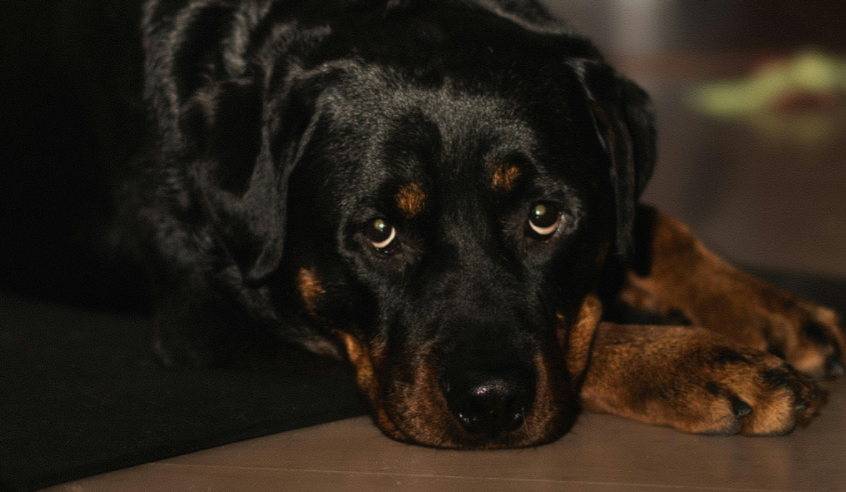
Rottweilers are known for their calm confidence, loyalty, and protective nature — but even this strong, stable breed can show signs of fear-based reactivity when not properly socialized or guided. For many owners, these behaviors can seem confusing or alarming. A once-friendly Rottweiler may start barking, lunging, or withdrawing in situations that never used to bother them.
Understanding what drives this behavior is the first step toward helping your dog regain confidence. Let’s break down what fear-based reactivity really means, why it happens, and how to manage it with empathy and structure.
What Is Fear-Based Reactivity?
Fear-based reactivity occurs when a dog responds to perceived threats with defensive behaviors — barking, growling, snapping, or retreating. Unlike aggression, which is offensive and intentional, reactivity is a fear response. It’s the dog’s way of saying, “I’m scared, and I need space.”
In Rottweilers, this reaction can appear more intense because of their size and power. But at its core, it’s not about dominance or defiance — it’s about insecurity.
Common signs include:
- Barking or lunging at strangers or other dogs
- Hiding behind the owner or pulling away
- Freezing or refusing to move
- Growling when approached too quickly
- Overreacting to noises or sudden movement
Recognizing these early signs allows you to intervene before fear turns into long-term behavioral issues.
Why Rottweilers Are Prone to Fear-Based Reactivity
While Rottweilers are confident by nature, several factors can trigger or amplify fear-based reactivity.
1. Lack of Early Socialization
The most common cause is insufficient exposure to varied environments during puppyhood. Between 8 and 16 weeks, puppies form lasting impressions about the world. If a Rottweiler misses this window — or experiences negative encounters — they may grow up wary of new people, places, or sounds.
2. Genetic Sensitivity
Some Rottweilers inherit lower thresholds for stress or fear. Responsible breeders focus on stable temperaments, but poor breeding practices can result in nervous or overly defensive dogs.
3. Traumatic Experiences
Negative encounters — such as rough handling, loud noises, or confrontations with aggressive dogs — can leave emotional imprints. Rottweilers have excellent memories, and one bad experience can shape their reactions for life.
4. Overprotection or Isolation
Owners sometimes unknowingly encourage reactivity by sheltering their dogs too much. Rottweilers are natural guardians; if they rarely meet strangers or other dogs, they may interpret every new presence as a threat.
5. Adolescent Insecurity
Around 6 to 18 months, many Rottweilers go through a “fear period.” Hormonal changes can make them temporarily cautious or defensive in situations they once handled calmly. Without gentle guidance, this phase can harden into chronic reactivity.
The Difference Between Fear and Aggression
It’s easy to mistake fear-based reactivity for aggression, especially with a large, vocal breed like the Rottweiler. The key difference lies in intent.
- Aggression is offensive — an attempt to dominate, control, or eliminate a threat.
- Fear-based reactivity is defensive — an attempt to avoid harm or create distance.
In a reactive moment, the Rottweiler’s body language reveals the truth:
- Ears pinned back
- Tail tucked or stiff
- Body leaning away rather than forward
- Tense facial muscles and wide eyes
Recognizing that your Rottweiler’s behavior stems from fear — not hostility — shifts your mindset from punishment to partnership.
How to Respond to Fear-Based Reactivity
Managing reactivity requires patience, empathy, and consistent practice. The goal isn’t to suppress fear but to replace it with trust and confidence.
1. Stay Calm and Neutral
Your Rottweiler reads your body language and tone instantly. If you tense up, yank the leash, or raise your voice, it reinforces their belief that the situation is dangerous. Instead, remain calm, relaxed, and assertive. Your composure becomes their anchor.
2. Increase Distance From Triggers
Every dog has a threshold — the distance at which they can see or hear a trigger without reacting. Stay below that threshold and reward calm behavior. Gradually, as confidence builds, you can move closer.
For example, if your dog reacts to other dogs at 50 feet, start training at 70 feet and slowly close the gap over time.
3. Use Counterconditioning
Pair the presence of the trigger with something your dog loves — high-value treats, toys, or praise. This technique teaches them that “scary” things predict good outcomes. Over time, fear transforms into positive anticipation.
For instance, when a stranger appears in view, calmly say your Rottweiler’s name and offer a treat. This teaches them that strangers equal rewards, not danger.
4. Avoid Flooding or Overexposure
Throwing your dog into overwhelming situations — like crowded dog parks or busy streets — will backfire. Instead, work gradually, giving your Rottweiler control over distance and pace. Exposure should be progressive and safe, not forced.
5. Reinforce Obedience Commands
Strong obedience foundations give your dog direction when fear strikes. Use commands like:
- “Look at me” to redirect focus
- “Leave it” to disengage from triggers
- “Heel” to maintain calm proximity
These cues remind your dog that you’re in control, reducing the need for defensive reactions.
Creating a Safe, Supportive Environment
A fearful Rottweiler needs to know two things: the world isn’t out to harm them, and their owner will handle threats.
Provide Predictability
Maintain consistent routines for meals, walks, and rest. Structure gives your Rottweiler emotional stability, helping them relax and trust their surroundings.
Respect Their Space
If your dog retreats or avoids a situation, don’t force interaction. Let them observe from a distance until they show curiosity. Building confidence takes time, not pressure.
Manage Triggers at Home
Limit access to windows or areas where they can constantly see passersby. Too much visual stimulation can keep their anxiety high.
Encourage Calm Interaction
Reward your Rottweiler for neutral behavior around guests, noises, and new objects. Small successes create lasting trust.
When to Seek Professional Help
If fear-based reactivity escalates to biting, lunging, or severe anxiety, don’t try to handle it alone. A certified canine behaviorist or positive reinforcement trainer can develop a customized desensitization plan.
Look for professionals with experience in large guardian breeds, as Rottweilers require calm but confident handling. Early intervention can prevent lifelong fear patterns and rebuild confidence safely.
Preventing Fear-Based Reactivity in Puppies
Prevention begins long before fear becomes a problem. For Rottweiler puppies:
- Start socialization early and positively.
- Expose them to diverse environments, people, and sounds gradually.
- Avoid punishment-based training that can erode trust.
- Teach calm responses to unexpected events — like doors closing or strangers approaching.
Positive, varied experiences during development create resilient adult Rottweilers who handle stress with calm assurance.
Building Trust Through Leadership
Fear-based reactivity diminishes when a Rottweiler truly trusts its owner. Leadership isn’t about control — it’s about calm authority. Be the one who decides when to engage, when to retreat, and when to reassure.
Rottweilers don’t want to dominate; they want guidance. When they sense your confidence, their fear fades. You become their safe place — the person who turns chaos into calm.
Conclusion
Fear-based reactivity in Rottweilers isn’t a sign of weakness — it’s a signal that your dog needs understanding, structure, and reassurance. These dogs are loyal protectors by nature, but even the bravest heart can feel uncertainty.
By recognizing fear for what it is, responding with patience, and building trust through positive reinforcement, you help your Rottweiler rediscover confidence in every situation.
With time and guidance, fear gives way to calm strength — the kind of strength that defines the Rottweiler spirit.
FAQ
1. What causes fear-based reactivity in Rottweilers?
It often develops from poor socialization, traumatic experiences, or genetic sensitivity to stress.
2. How can I tell if my Rottweiler’s behavior is fear-based or aggressive?
Fearful dogs lean away, tuck their tails, and bark to create distance — aggressive dogs move forward to confront.
3. Can fear-based reactivity be cured?
Yes, with consistent training, desensitization, and confidence-building, most Rottweilers can overcome reactivity.
4. Should I punish my Rottweiler for reactive behavior?
Never. Punishment increases fear and damages trust. Use redirection and reward calm responses instead.
5. When should I seek professional help?
If reactivity escalates or leads to biting or uncontrollable fear, contact a certified behaviorist immediately.