
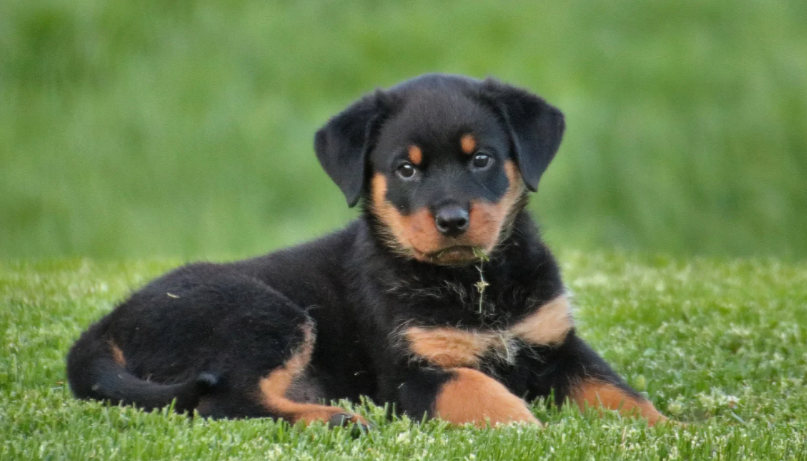
Bringing home a Rottweiler puppy is an exciting adventure filled with joy, laughter, and a few challenges along the way. These intelligent, loyal, and strong-willed dogs grow quickly — both in size and personality — so it’s essential to start on the right paw from day one.
This guide will help first-time Rottweiler owners understand how to raise a confident, obedient, and well-balanced companion through structure, patience, and consistent care.
Understanding the Rottweiler Puppy Personality
Rottweiler puppies are known for their combination of affection, curiosity, and independence. They’re bold explorers with a natural desire to protect, even at a young age. However, without proper boundaries, that confidence can turn into stubbornness or dominance.
From the start, your Rottweiler puppy needs to learn that you’re the calm, consistent leader of the pack. When guided with firm kindness, they grow into loyal protectors who respect both people and rules.
1. Start Socialization Early
Socialization is the single most important thing you can do for a Rottweiler puppy. Between 8 and 16 weeks of age, their mind is most open to new experiences.
Expose your puppy to:
- Different people, including men, women, and children
- Other vaccinated, well-behaved dogs
- New environments, like parks, sidewalks, and car rides
- Household noises — vacuum cleaners, doorbells, and kitchen sounds
Reward calm, curious behavior and avoid overwhelming them. Early socialization prevents fear-based reactions later and builds confidence around strangers, animals, and unfamiliar situations.
2. Establish Routine and Structure
Rottweilers thrive on consistency. A predictable routine gives your puppy security and helps them understand expectations.
Create a daily schedule that includes:
- Regular feeding times (3 meals a day until 6 months old)
- Frequent potty breaks (after meals, naps, and playtime)
- Short training sessions spread throughout the day
- Structured nap times to prevent overtired behavior
Structure builds trust. When your Rottweiler knows what comes next, they’re less likely to act out or become anxious.
3. Begin Training Immediately
Don’t wait for your Rottweiler puppy to “grow out of” bad habits — start training from the moment they come home. At 8 weeks old, they’re capable of learning basic commands.
Focus on Foundational Skills
- Name recognition: Teach them to respond every time you call their name.
- Sit, stay, and come: These are the pillars of good behavior.
- Crate training: Helps with potty training and creates a safe retreat.
- Leash manners: Prevent pulling before it becomes a habit.
Use positive reinforcement — praise, treats, or toys. Rottweilers respond best to encouragement, not harsh corrections.
Keep sessions short (5–10 minutes) and end on a win. Their growing attention span makes small, frequent lessons more effective.
4. Focus on Consistent Boundaries
Your adorable puppy will grow into a 100-pound powerhouse, so now is the time to set limits. Jumping, mouthing, or ignoring commands might seem harmless early on, but these habits become problems as they mature.
Set rules and stick to them. For example:
- No jumping on people — teach “sit” instead.
- No rough play that encourages biting.
- No begging during mealtime.
Consistency from every family member is crucial. If one person allows behavior that another corrects, your Rottweiler will become confused — and likely test the limits.
5. Prioritize Proper Nutrition
A Rottweiler puppy’s rapid growth demands the right diet. Choose high-quality large-breed puppy food formulated for balanced bone and muscle development.
Feeding Guidelines
- 3 meals daily until 6 months old, then 2 meals thereafter
- Avoid overfeeding to reduce risk of hip and joint problems
- Monitor body condition — you should feel ribs easily but not see them
Consult your vet for specific calorie recommendations based on age, activity level, and growth rate. Balanced nutrition supports healthy weight and long-term joint health.
6. Provide Physical and Mental Exercise
Even as puppies, Rottweilers need consistent stimulation. Without it, they’ll invent their own entertainment — usually involving your shoes or furniture.
Age-Appropriate Activities
- Short walks (5 minutes per month of age, up to twice daily)
- Interactive play — tug-of-war, fetch, or soft toys
- Puzzle feeders and scent games to challenge their mind
Avoid strenuous running or jumping before 18 months to protect developing joints. Controlled activity builds muscle while preventing injuries.
7. Teach Calm Confidence Around Strangers
Rottweilers are natural guardians, but your puppy must learn that not every stranger is a threat. Early, calm introductions prevent overprotective behavior later.
Invite guests to your home and have them offer treats or ignore the puppy until it approaches willingly. Encourage polite curiosity — not barking or hiding.
Reinforce this lesson often, especially during adolescence when protective instincts heighten.
8. Schedule Regular Vet Visits and Health Checks
Stay proactive about health care. Rottweilers are prone to hip dysplasia, heart issues, and joint conditions, so early prevention is key.
- Begin vaccinations and deworming as recommended by your vet
- Discuss microchipping and parasite prevention
- Schedule checkups every 3–4 weeks during puppyhood
- Track growth and discuss proper supplements if needed
Building a strong relationship with your vet ensures your puppy’s long-term well-being.
9. Encourage Gentle Handling
Get your Rottweiler used to being touched everywhere — paws, ears, mouth, and tail. This helps with grooming, vet exams, and future training.
Practice short sessions daily, rewarding calmness. Handling exercises also reinforce trust and help your puppy associate touch with positive experiences.
10. Be Patient During the Adolescent Stage
Around 6–18 months, your sweet puppy enters adolescence — a time of boundary-testing and hormonal changes. Expect occasional defiance or distraction, but stay consistent with your rules.
Don’t let temporary frustration lead to inconsistency. Keep training sessions positive and structured. This is when your patience pays off — the foundation you’ve built will start to solidify into lifelong obedience.
11. Socialize With Other Dogs Safely
Group puppy classes are an excellent way to socialize while teaching obedience. Choose reputable trainers familiar with large breeds like Rottweilers.
Positive play with other dogs helps your pup learn bite inhibition, sharing, and self-control — all vital for confident adulthood.
12. Embrace Positive Leadership
Your Rottweiler will look to you for guidance. Leadership doesn’t mean dominance — it means clarity and calm direction.
- Reward desired behavior instantly.
- Correct unwanted behavior with redirection, not anger.
- Stay consistent in tone and body language.
When you lead with confidence and fairness, your Rottweiler will naturally follow, respect, and protect you.
Conclusion
Raising a Rottweiler puppy is a journey of discipline, love, and mutual respect. These dogs are loyal beyond measure, intelligent beyond expectation, and protective without needing aggression.
When guided with patience and structure, your Rottweiler grows into more than just a pet — they become a guardian, a companion, and a lifelong friend who mirrors your dedication and trust.
Start early. Stay consistent. Lead with love — and your Rottweiler will reward you with unwavering loyalty for years to come.
FAQ
1. What age should I start training my Rottweiler puppy?
Start basic obedience training as early as 8 weeks. Puppies learn best through short, fun sessions.
2. How often should I feed my Rottweiler puppy?
Feed 3 times a day until 6 months old, then reduce to 2 meals daily.
3. When can I take my Rottweiler puppy on long walks?
Wait until at least 12–18 months before long or strenuous walks to protect growing joints.
4. Are Rottweilers good for first-time dog owners?
Yes — if you’re committed to structure, training, and consistent leadership. They’re loyal and trainable with the right guidance.
5. How can I prevent aggression in my Rottweiler puppy?
Early socialization, obedience training, and calm leadership prevent fear or dominance-based aggression.