
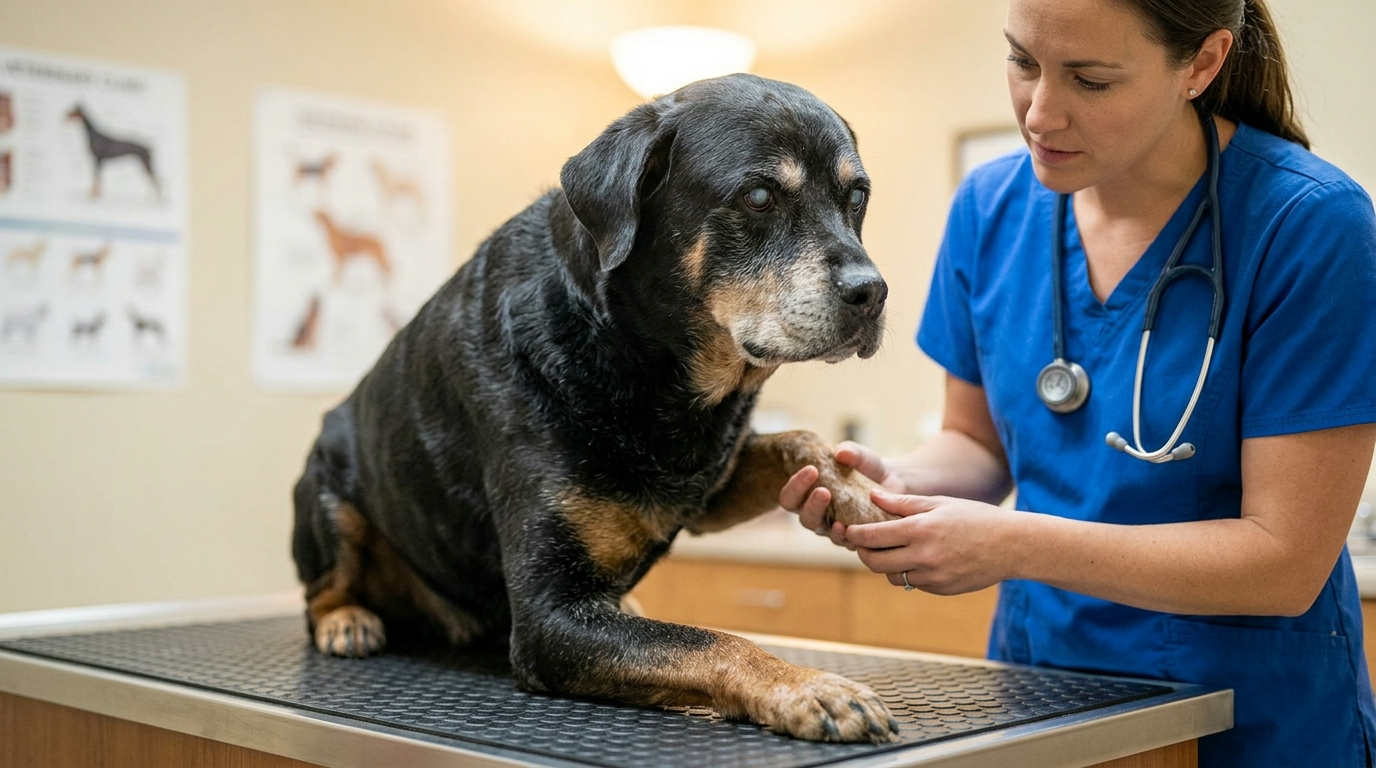
Senior Rottweilers care becomes essential as your loyal companion enters the later stages of life. Although Rottweilers are strong and resilient, aging brings physical and emotional changes that require attention. With the right approach, you can help your dog stay comfortable, active, and content.
As large-breed dogs, Rottweilers age faster than smaller breeds. Therefore, proactive planning matters. By adjusting routines early, you support mobility, digestion, and overall well-being. Moreover, consistent veterinary guidance ensures you catch issues before they escalate.
Managing aging gracefully involves more than medical checkups. It includes nutrition, mental stimulation, exercise adjustments, and emotional connection. When you commit to thoughtful senior Rottweilers care, you strengthen the bond you have built over the years.
Understanding how aging affects your dog allows you to respond with patience and compassion.
Understanding the Aging Process in Rottweilers
Rottweilers typically enter their senior years around seven to eight years old. However, individual health and genetics influence timing. Because they are a large breed, joint stress and muscle decline often appear earlier.
Energy levels usually decrease gradually. Instead of long bursts of activity, older dogs prefer shorter, steady walks. At the same time, their senses may dull slightly. Hearing and vision changes can make them more cautious.
Weight gain becomes more common as metabolism slows. Consequently, balanced feeding becomes critical. Early senior Rottweilers care helps manage these predictable changes before discomfort develops.
Behavior may also shift. Some dogs become more attached, while others prefer quiet rest. Recognizing these patterns allows you to adjust routines without creating stress.
By observing small changes, you can respond quickly and effectively.
Nutrition Adjustments for Healthy Aging
Diet plays a central role in maintaining strength and mobility. As Rottweilers age, calorie needs often decrease. However, nutrient requirements remain high.
High-quality protein supports muscle preservation. Meanwhile, controlled fat levels help prevent excess weight. Omega-3 fatty acids reduce inflammation and support joint health.
Senior Rottweilers care often includes switching to a senior-specific formula. These diets contain balanced minerals to protect kidneys and heart function. Additionally, glucosamine and chondroitin supplements may improve joint comfort.
Smaller, consistent meals can also ease digestion. Because older dogs sometimes experience sensitive stomachs, gradual transitions prevent digestive upset.
Fresh water remains essential. Hydration supports organ health and prevents urinary issues. When combined with veterinary advice, proper nutrition builds the foundation for graceful aging.
Thoughtful feeding habits today create comfort tomorrow.
Protecting Joints and Mobility
Joint stiffness commonly affects aging Rottweilers. Hip and elbow issues may develop due to their size and structure. Therefore, preserving mobility becomes a priority.
Moderate daily exercise keeps muscles strong and joints flexible. Short walks on soft surfaces reduce impact. In contrast, high-impact activities may cause strain.
Supportive bedding also matters. Orthopedic dog beds cushion pressure points and improve sleep quality. Moreover, ramps or low-entry steps help prevent injury when entering vehicles.
Senior Rottweilers care often includes physical therapy or hydrotherapy. These treatments maintain muscle tone without stressing joints. Regular weight monitoring further reduces joint pressure.
Consistency matters more than intensity. Gentle activity, repeated daily, keeps stiffness manageable and supports independence.
With proactive support, many older Rottweilers remain active well into their senior years.
Routine Veterinary Monitoring
Preventive care becomes increasingly important with age. Twice-yearly veterinary visits allow early detection of health changes.
Blood tests can identify kidney or liver concerns before symptoms appear. Additionally, heart screenings monitor common breed-related conditions.
Senior Rottweilers care involves tracking dental health as well. Dental disease can affect overall wellness if untreated. Therefore, professional cleanings and at-home brushing help maintain oral hygiene.
Vaccination schedules may also change based on risk factors. Discuss lifestyle and environment with your veterinarian to tailor care appropriately.
Monitoring body condition score provides valuable insight. Even slight weight changes can signal underlying problems.
Because aging progresses gradually, routine evaluations create peace of mind. Early intervention often improves long-term outcomes significantly.
Mental Stimulation and Emotional Well-Being
Aging affects the mind as well as the body. Cognitive changes may appear in older dogs. They might forget routines or seem disoriented occasionally.
Mental engagement slows this decline. Puzzle toys, scent games, and short training refreshers stimulate focus. At the same time, familiar routines provide security.
Senior Rottweilers care emphasizes emotional stability. Sudden changes in environment can create confusion. Therefore, maintaining consistent daily patterns helps reduce stress.
Companionship remains vital. Although older dogs sleep more, they still crave interaction. Gentle grooming sessions and calm affection reinforce trust.
Some dogs experience mild anxiety as senses decline. Soft lighting at night or clear pathways around furniture can reduce uncertainty.
By supporting both mind and body, you promote balanced aging. Emotional comfort enhances physical resilience.
Managing Weight and Muscle Loss
Weight management becomes more challenging during senior years. Decreased activity lowers calorie burn. However, overfeeding quickly adds strain to joints.
Regular weigh-ins allow adjustments before problems arise. Lean muscle supports mobility, so maintaining protein intake matters.
Senior Rottweilers care includes portion control and measured treats. Instead of calorie-heavy snacks, offer small pieces of lean meat or vet-approved alternatives.
Light strength exercises also help. Controlled incline walks or supervised swimming build muscle without excessive stress.
If muscle loss becomes noticeable, consult your veterinarian. Specialized diets or supplements may help restore balance.
Stable weight protects internal organs and preserves energy levels. Careful monitoring supports comfort and longevity.
Comfort in the Home Environment
Home adjustments make a meaningful difference. As mobility declines, everyday obstacles become difficult.
Non-slip rugs prevent falls on smooth floors. Additionally, raised food bowls reduce neck strain. Clear walking paths minimize confusion.
Senior Rottweilers care often includes adjusting sleeping areas. Warm, draft-free spaces improve rest. Furthermore, easy access to water encourages hydration.
Temperature sensitivity may increase with age. Providing shade in warm weather and extra warmth in colder months supports comfort.
Small modifications reduce stress and prevent injury. When your dog feels secure at home, confidence remains intact.
Thoughtful environmental changes promote independence and dignity.
Addressing Common Health Conditions
Certain health issues appear more frequently in older Rottweilers. Arthritis ranks among the most common concerns. Early signs include stiffness or reluctance to climb stairs.
Heart conditions may also develop. Regular screenings allow timely treatment. Additionally, cancer risk increases with age, making vigilance essential.
Senior Rottweilers care requires observing subtle symptoms. Appetite changes, unusual lumps, or sudden fatigue warrant attention.
Pain management plans improve quality of life significantly. Modern veterinary medicine offers medications and therapies that reduce discomfort safely.
Communication with your veterinarian remains crucial. Together, you can create personalized plans based on your dog’s unique needs.
Addressing problems early preserves vitality and strengthens comfort.
Balancing Exercise and Rest
Older Rottweilers still need movement, yet rest becomes equally important. Overexertion can cause soreness and fatigue.
Structured, shorter walks maintain circulation. However, adequate recovery time prevents strain. Observing your dog’s cues helps determine limits.
Senior Rottweilers care includes adapting activities to current abilities. Instead of intense play, choose slow fetch or scent exploration.
Rest areas should remain quiet and accessible. Soft bedding encourages restorative sleep. Additionally, maintaining routine exercise times supports stability.
Balanced activity keeps muscles engaged without overwhelming aging joints. Consistency promotes resilience.
Listening to your dog’s body ensures safety and well-being.
Strengthening the Bond During Senior Years
Aging deepens emotional connection. Time spent together becomes even more meaningful.
Senior Rottweilers care extends beyond physical health. Gentle conversation, grooming, and shared quiet moments reinforce security.
Patience matters greatly. Slower movement or reduced hearing requires understanding. Clear signals and calm communication prevent frustration.
Celebrate small victories. A comfortable walk or playful moment carries immense value. These experiences build lasting memories.
As your dog ages, your leadership provides reassurance. Steady routines and affection maintain trust.
The senior stage offers an opportunity to honor years of loyalty. Through attentive care, you return the devotion your Rottweiler has always shown.
Conclusion: Aging with Dignity and Compassion
Aging does not diminish the spirit of a Rottweiler. Instead, it reveals deeper loyalty and gentleness.
Senior Rottweilers care ensures comfort, mobility, and emotional stability throughout the later years. By adjusting nutrition, exercise, and home environment, you protect their quality of life.
Proactive veterinary monitoring supports early intervention. Meanwhile, mental engagement preserves cognitive strength.
Above all, consistent love shapes the aging journey. With thoughtful attention, your companion can age gracefully and confidently.
Caring for an older Rottweiler reflects gratitude for years of protection and companionship. When managed carefully, the senior stage becomes a season of quiet strength and enduring connection.
FAQ
1. At what age is a Rottweiler considered senior?
Most enter senior years around seven or eight, though health and genetics influence timing.
2. How can I help reduce joint pain naturally?
Weight control, moderate exercise, and vet-approved supplements often ease stiffness effectively.
3. Should I change my dog’s diet in older age?
Yes, senior formulas support organ health and joint comfort while controlling calories.
4. How often should older dogs see the veterinarian?
Twice-yearly visits are recommended to monitor changes and detect issues early.
5. What signs suggest cognitive decline?
Disorientation, altered sleep patterns, and confusion about familiar routines may indicate cognitive changes.