Even the most exciting toy loses its magic after a while. Dogs, like humans, thrive on novelty — and that’s where toy rotation becomes one of the most powerful enrichment tools you can use. Instead of flooding your dog with constant stimulation, rotating enrichment toys gives them balance, anticipation, and mental freshness.
Let’s explore why toy rotation matters, how often to do it, and how it can dramatically improve your dog’s behavior, focus, and emotional stability.
Why Dogs Get Bored with Toys
Dogs are natural problem-solvers. When they’ve mastered a toy’s challenge or explored its scent, they quickly lose interest. What once felt exciting becomes routine. This leads to:
- Decreased engagement — they ignore their toys after a few minutes.
- Frustration or restlessness — seeking new stimulation through barking or chewing.
- Reduced enrichment value — toys stop meeting their mental needs.
Toy rotation reintroduces novelty and curiosity — the key ingredients that keep your dog’s brain active.
The Science of Novelty and Focus
Dogs experience a burst of dopamine when they encounter something new. This brain chemical boosts motivation and focus, making your dog more eager to explore, learn, and interact.
By rotating toys, you simulate that “new toy feeling” repeatedly — without constantly buying new ones. Each reintroduction reactivates your dog’s curiosity and engagement pathways, helping them see familiar toys as exciting again.
1. Prevents Overstimulation
Leaving too many toys out at once can actually backfire. Dogs become overstimulated, flitting between toys without focus or satisfaction.
Rotation Solves This By:
- Simplifying choices — fewer options mean deeper engagement.
- Teaching patience — waiting for a toy’s return builds impulse control.
- Encouraging calmness — playtime feels purposeful, not chaotic.
A smaller, rotating selection keeps your dog mentally balanced and prevents “toy fatigue.”
2. Strengthens Problem-Solving Skills
Enrichment toys are designed to challenge — to make your dog think, strategize, and persist. When the same puzzle or chew is always available, your dog memorizes the solution and stops thinking.
With Toy Rotation:
- Each reintroduction becomes a new challenge.
- Memory, scent recognition, and strategy are reactivated.
- Your dog maintains cognitive sharpness over time.
It’s like cycling through brain workouts — different toys activate different thinking skills.
3. Builds Anticipation and Motivation
Dogs thrive on predictable variety — knowing fun is coming, but not knowing exactly what. Rotating toys creates healthy anticipation, which boosts enthusiasm and emotional satisfaction.
Your dog begins to associate certain days or routines with the excitement of “new” toys, creating a positive mental rhythm that supports calm behavior the rest of the time.
4. Supports Calm Independence
Toy rotation teaches your dog that entertainment doesn’t rely solely on you. With the right mix of enrichment tools, your dog can enjoy independent play calmly and confidently.
Examples of Independent Rotation Toys
- Food puzzles and slow feeders
- Lick mats and frozen Kongs
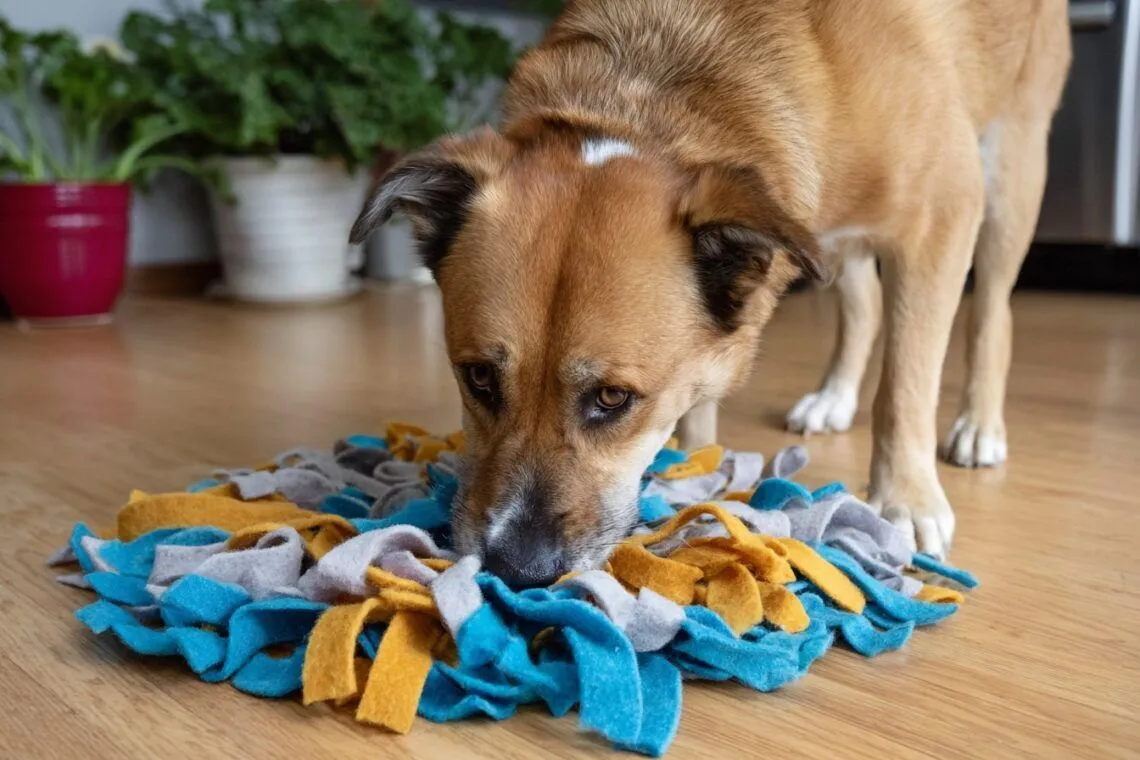
- Scent-based foraging mats
- Chew-safe interactive toys
Each reappearance builds a sense of independence and self-soothing, crucial for preventing separation anxiety.
5. Extends the Lifespan of Toys
Rotating toys also helps you save money and preserve quality. Constant chewing, licking, or tugging wears toys down quickly. By rotating them:
- Each toy gets rest periods, preventing overuse.
- You can inspect and clean them between uses.
- Your dog interacts more gently out of renewed interest.
Clean, rested toys also smell and feel new, increasing engagement instantly.
6. Encourages Calm Transitions and Routine
Toy rotation fits beautifully into structured daily routines — helping signal the rhythm of activity and rest.
Example Routine
- Morning: Interactive puzzle or chew toy after breakfast.
- Afternoon: Foraging or scent game while you work.
- Evening: Calm lick mat or comfort toy during quiet time.
This structure balances excitement and calm, reducing anxiety and overstimulation throughout the day.
How Often Should You Rotate Toys?
There’s no one-size-fits-all answer, but consistency is key.
Suggested Rotation Schedule
- Every 3–4 days: For high-energy or working breeds.
- Once a week: For moderate or low-energy dogs.
- Seasonally: Swap in new textures or scents for extra novelty.
Store unused toys in a bin or drawer — and watch your dog’s excitement soar each time you bring one back out.
7. Increases Bonding Opportunities
Rotating toys gives you new opportunities to interact and train together. When a “new” toy returns, use it as part of obedience games, scent work, or recall drills.
Every reintroduction becomes a mini training session — combining engagement with structure. Your dog learns that calm focus around toys earns even more fun with you.
8. Reduces Clutter and Overload
Fewer toys out at once means a cleaner environment — both physically and mentally. Dogs, like people, can feel overwhelmed by too many stimuli. A simple, organized play area promotes focus and comfort.
By curating their environment, you help your dog relax and enjoy deeper play rather than constant distraction.
Conclusion
Rotating dog enrichment toys isn’t just about managing clutter — it’s about maximizing value, focus, and emotional balance. When toys come and go on a thoughtful schedule, your dog experiences the perfect mix of novelty, challenge, and calm.
You don’t need endless new toys — you need the right rhythm. With structure, rotation, and purposeful engagement, every toy feels fresh again — and every day becomes an opportunity for your dog to grow, think, and thrive.
FAQ
1. How many toys should I rotate at once?
Keep out 3–5 toys at a time, mixing chew, puzzle, and comfort options for variety.
2. Should I rotate all types of toys or just puzzles?
Rotate everything — puzzles, chews, squeakers, and foraging tools — to balance excitement and calm.
3. What if my dog loses interest in all toys?
Try adding scent (like peanut butter or broth), increasing difficulty, or reintroducing after a week’s break.
4. Can rotation help anxious dogs?
Yes. Predictable variety builds security and prevents overstimulation, helping anxious dogs self-regulate.
5. How do I clean toys during rotation?
Wash or sanitize each toy before storing it. A clean, fresh-smelling toy feels new again when reintroduced.