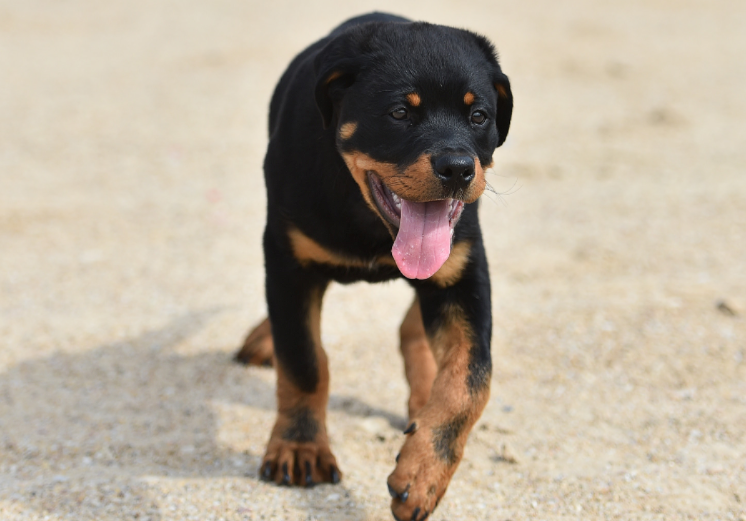
Rottweilers are one of the most athletic and powerful breeds in the world. Their muscular build, endurance, and intelligence make them natural athletes — but their size also makes them prone to joint and muscle strain if exercised incorrectly.
Whether you have a playful puppy or a mature adult, knowing the right balance of safe exercise routines can help your Rottweiler stay fit, strong, and happy throughout life. Let’s explore how to create a structured, safe, and effective fitness plan tailored to their unique needs.
Understanding Rottweiler Exercise Needs
Rottweilers were bred as working dogs — herding cattle, pulling carts, and guarding property. This heritage means they need both physical and mental activity to stay balanced.
Daily Exercise Recommendations
- Adult Rottweilers: 60–90 minutes of structured activity daily.
- Puppies: 5 minutes per month of age, twice per day (e.g., 20 minutes at 4 months old).
- Seniors: 30–45 minutes of low-impact activity to maintain mobility.
The goal is not just to burn energy, but to build endurance, strengthen muscles, and engage the mind — all without causing injury.
1. Warm-Up and Cool-Down Routines
Just like athletes, Rottweilers benefit from a short warm-up before exercise and a cool-down afterward.
Warm-Up
- 5 minutes of slow walking to increase circulation
- Gentle leash work with direction changes
- Light stretching through sit, stand, and down commands
Cool-Down
- Slow walking for 5–10 minutes after exercise
- Gentle massage along the shoulders and thighs
- Hydration and quiet rest afterward
This helps prevent muscle strain and promotes healthy recovery, especially after high-intensity play.
2. Daily Walks for Balanced Fitness
Walking is the foundation of any Rottweiler exercise routine. It strengthens muscles, maintains joint health, and stimulates their mind with new scents and sounds.
Tips for Safe Walking
- Use a front-clip harness to reduce shoulder strain.
- Keep sessions structured — not just free wandering.
- Mix terrain: grass, dirt, and safe trails build balance and strength.
- Start and end calmly — no sudden sprints or dragging.
Two daily walks of 30–45 minutes each work best for most adult Rottweilers.
3. Low-Impact Cardio: Swimming and Controlled Running
Rottweilers are prone to hip and elbow dysplasia, so low-impact exercises are ideal.
Swimming
- Builds endurance without stressing joints.
- Strengthens shoulders, hips, and core muscles.
- Keeps them cool in warm weather.
Start in shallow water, always supervise, and use a canine life vest for safety.
Controlled Running
For healthy adults (over 18 months), short jogs beside you can be great cardio.
- Run on grass or dirt — avoid hard pavement.
- Keep pace moderate; avoid sprinting.
- Limit runs to 20–30 minutes, three times weekly.
4. Strength and Agility Training
Rottweilers love to work their bodies and minds. Incorporate controlled strength and agility exercises into their weekly routine.
Examples
- Hill walks: Engage core and hind legs.
- Stair climbs: Build muscle tone (avoid for puppies or seniors).
- Tug games: Encourage strength and bonding, but keep movements slow and steady.
- Cavaletti poles: Low hurdles to improve coordination and shoulder mobility.
These exercises keep muscles balanced and prevent injury by strengthening supporting tissues.
5. Mental Stimulation and Problem-Solving
A bored Rottweiler can become destructive, so mental workouts are as important as physical ones.
Try These Activities
- Scent training: Hide treats or toys for them to find.
- Obedience drills: Combine commands like “sit,” “stay,” and “come” during walks.
- Interactive toys: Puzzle feeders or treat-dispensing balls.
- Tracking exercises: Use short trails or scent games to engage focus.
Mental challenges reduce stress, improve obedience, and tire them out just as effectively as a long walk.
6. Puppy Exercise: Growth Without Pressure
Rottweiler puppies grow quickly, and their bones and joints are still developing. Overexercising too soon can cause lasting damage.
Safe Activities for Puppies
- Short, gentle walks on grass
- Playtime in fenced areas — no forced running or jumping
- Tug games with soft resistance
- Socialization walks in calm environments
Avoid stair climbing, long-distance running, or fetch on hard surfaces until growth plates close (around 18 months).
Focus instead on coordination, obedience, and confidence-building through gentle play.
7. Senior Rottweiler Fitness: Gentle but Consistent
Older Rottweilers still need regular movement to maintain joint flexibility and muscle tone. The key is low-impact consistency.
Ideal Senior Activities
- Short, frequent walks (20–30 minutes)
- Swimming or underwater treadmill therapy
- Controlled leash play with rests between sessions
- Gentle stretching and massage
Always monitor for stiffness, limping, or fatigue, and adjust intensity accordingly. Supplements for joint health, such as glucosamine or omega-3s, can also help maintain mobility (ask your vet before use).
8. Avoiding Common Exercise Mistakes
Even well-intentioned owners can overdo it. Protect your Rottweiler by avoiding these pitfalls:
- Too much running too soon: Puppies need rest, not marathons.
- Fetch on hard ground: Sharp turns strain joints.
- Rough play with large dogs: Can lead to sprains or shoulder strain.
- Skipping rest days: Muscles need recovery time.
Balance is everything. Overexertion can cause fatigue, injury, and long-term joint problems.
9. Monitor Recovery and Body Language
Rottweilers are stoic — they won’t always show pain immediately. Learn to spot subtle signs that indicate fatigue or strain:
- Slower pace or hesitation to move
- Stiffness after rest
- Licking at joints or shoulders
- Reluctance to jump or climb stairs
If you notice these symptoms, reduce activity and consult your vet. Rest and recovery are as important as the workout itself.
10. Tailoring Exercise to Temperament and Lifestyle
Not all Rottweilers are the same. Some are high-energy working dogs, while others are laid-back companions. Match activity levels to personality and purpose.
- Working Rottweilers: Need advanced obedience, tracking, or agility work.
- Family Companions: Do well with structured walks, play, and light training.
- Older Dogs: Thrive on gentle, rhythmic exercise and close companionship.
Knowing your Rottie’s drive and limits ensures fitness remains fun, not stressful.
Conclusion
A safe and structured Rottweiler exercise routine does more than build muscle — it builds confidence, stability, and lifelong health. By balancing endurance, strength, and mental stimulation, you’ll give your Rottweiler what they crave most: meaningful activity with purpose and connection.
Remember, the best exercise plan isn’t about intensity — it’s about consistency, safety, and joy. With the right balance, your Rottweiler will stay strong, fit, and ready for every adventure by your side.
FAQ
1. How much exercise does a Rottweiler need daily?
Most adult Rottweilers need 60–90 minutes of moderate, structured exercise each day.
2. Is running safe for Rottweilers?
Yes, for adults over 18 months and on soft surfaces. Avoid hard pavement to protect joints.
3. What’s the best low-impact exercise for Rottweilers?
Swimming — it builds strength and endurance without stressing the hips or elbows.
4. How can I exercise my Rottweiler indoors?
Use obedience games, tug, scent work, or short training sessions to burn energy safely.
5. When should I avoid exercise?
Avoid high-impact activity in extreme heat, right after meals, or if your Rottweiler shows signs of stiffness or fatigue.