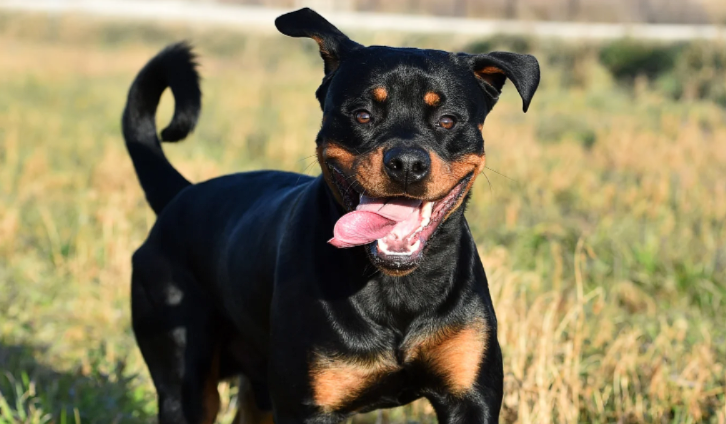
Rottweilers are powerful, athletic dogs built for endurance and strength. Their muscular shoulders play a huge role in every stride they take — from pulling forward on walks to bounding across the yard. But this same power can lead to shoulder strain if their exercise routines, leash control, or equipment aren’t properly managed.
Preventing shoulder injuries in Rottweilers starts with awareness, structure, and the right techniques. Whether your Rottie is an energetic pup or a mature adult, protecting their shoulders ensures long-term mobility, comfort, and strength.
Understanding Shoulder Strain in Rottweilers
The Rottweiler’s shoulder structure consists of muscles, tendons, and ligaments that connect the upper leg to the chest. Unlike humans, dogs don’t have a bony collarbone — so their shoulders rely heavily on soft tissue for stability.
Shoulder strain occurs when these muscles or tendons are overstressed through sudden movement, repetitive pulling, or overexertion.
Common Causes of Shoulder Strain
- Excessive leash pulling during walks
- High-impact play, like sudden sprints or hard turns
- Slippery surfaces, especially for puppies or senior dogs
- Overtraining or lack of warm-up before vigorous activity
- Improper harnesses or collars that put stress on the front limbs
Left unchecked, shoulder strain can lead to chronic pain, limited mobility, or long-term joint issues such as arthritis or tendon inflammation.
Recognizing Signs of Shoulder Strain
Early detection is key to preventing long-term damage. Watch for these symptoms during or after walks:
- Limping or favoring one front leg
- Hesitation to climb stairs or jump into the car
- Decreased enthusiasm for play or walking
- Sensitivity when you touch the shoulder area
- A shorter or uneven stride
- Stiffness after rest
If you notice these signs, rest your Rottweiler immediately and contact your veterinarian for assessment. Continuing exercise on a strained shoulder can worsen the injury.
1. Choose the Right Harness (Not a Collar)
One of the most common causes of Rottweiler shoulder strain is leash pressure from traditional collars. When a strong dog like a Rottie pulls, the force transfers through the neck and shoulders, straining soft tissues.
Harness Guidelines
- Use a front-clip harness: It redirects pulling gently toward you, reducing shoulder strain.
- Avoid back-clip only harnesses for strong pullers, as they encourage forward momentum.
- Ensure the harness fits snugly but comfortably — you should fit two fingers between the straps and the body.
- Look for padded chest plates to evenly distribute pressure.
A well-fitted harness supports natural movement while preventing the stress and microtrauma that lead to shoulder injury.
2. Master Leash Training Early
Teaching your Rottweiler loose-leash walking is one of the best ways to protect their joints and shoulders.
Training Tips
- Start in a distraction-free area, like your yard or quiet street.
- Hold treats by your thigh and reward your dog for staying beside you.
- Use a calm “let’s go” cue to begin walking.
- The moment your Rottweiler pulls, stop immediately — don’t jerk the leash. Wait for slack, then resume.
Consistency teaches your dog that pulling gets them nowhere, while calm walking earns progress. Over time, this drastically reduces shoulder stress and gives you a more enjoyable walking experience.
3. Warm Up Before Every Walk
Just like athletes, Rottweilers benefit from a warm-up to prepare their muscles for activity. A few minutes of gentle movement increases blood flow, flexibility, and joint lubrication.
Warm-Up Ideas
- Slow pacing for 2–3 minutes before a brisk walk
- Gentle circles or figure-eight walking patterns
- Simple commands like “sit,” “stand,” and “down” to engage core muscles
Avoid starting walks with sudden sprints or excitement. A gradual start prevents strain and sets the tone for calm, controlled behavior.
4. Maintain a Controlled Walking Pace
Rottweilers love to move, but letting them pull ahead or constantly change direction puts unnecessary torque on the shoulder joints. Maintain a steady, moderate pace that matches their stride.
Tips for Safe Pacing
- Use a leash between 4–6 feet for better control — avoid retractable leashes.
- Practice frequent “check-ins” where your dog looks at you during the walk.
- Alternate between walking in straight lines and gentle curves to engage both shoulders evenly.
- Stop often for sniff breaks to reduce tension and mental fatigue.
A steady, controlled rhythm minimizes strain while still providing enrichment and exercise.
5. Provide Balanced Exercise Routines
Overworking certain muscles while neglecting others can lead to imbalance — a major contributor to shoulder strain. The goal is to strengthen stabilizing muscles through low-impact, full-body exercises.
Recommended Activities
- Swimming: Builds strength without joint stress.
- Slow hill walks: Develops shoulder and chest muscles evenly.
- Cavaletti poles: Encourages balance and coordination.
- Controlled tug games: Strengthen shoulders, but keep movements slow and steady.
Avoid repetitive throwing games like fetch on hard surfaces, which can cause sharp turns and shoulder overextension.
6. Watch Out for Overexertion
Rottweilers have high endurance and will often push through discomfort to please their owners. It’s your job to set safe limits.
Warning Signs of Overexertion
- Heavy panting beyond 10 minutes post-walk
- Slower pace or reluctance to move forward
- Lagging behind on leash
- Limping or stiffness later that day
Take rest days between long walks or vigorous play sessions, especially for puppies under 18 months and older Rottweilers prone to joint stiffness.
7. Keep Nails and Paw Pads Healthy
Overgrown nails change your dog’s gait, forcing their shoulders to compensate for the uneven angle of the foot. This subtle imbalance can lead to chronic shoulder tension.
Paw Care Checklist
- Trim nails regularly — they should not touch the ground when standing.
- Check paw pads for cracks or roughness.
- Avoid walking on hot pavement or slippery floors.
Proper foot care supports shoulder alignment and smooth movement.
8. Maintain a Healthy Weight
Extra weight puts enormous strain on joints and muscles, especially in large breeds like Rottweilers. Shoulder joints bear a large portion of the dog’s body weight during movement.
Keep your Rottweiler lean by:
- Feeding balanced meals with controlled portions
- Limiting high-calorie treats
- Incorporating daily activity and mental stimulation
You should be able to feel your dog’s ribs without pressing hard — that’s a good sign they’re at a healthy weight.
9. Massage and Stretch Post-Walk
Gentle post-walk massages help relieve tension, improve circulation, and keep shoulder muscles flexible.
Simple Massage Routine
- Use circular motions around the shoulder blade and upper chest
- Avoid pressing directly on the joint
- Watch your dog’s reaction — they’ll relax when it feels good
For active Rottweilers, light shoulder stretches (guided by a vet or canine therapist) can prevent tightness and improve range of motion over time.
10. Schedule Regular Vet and Physiotherapy Checkups
Even with the best care, subtle strain can accumulate unnoticed. Regular vet visits and physical exams catch issues early.
If your Rottweiler participates in sports, training, or heavy play, consider a canine physiotherapist for tailored strengthening exercises. Preventative maintenance helps keep joints strong and flexible for years.
Conclusion
Preventing shoulder strain in Rottweilers isn’t just about avoiding injury — it’s about protecting their power, confidence, and ability to move freely throughout life.
By choosing the right harness, training for leash control, maintaining steady routines, and offering balanced exercise, you help your Rottweiler stay strong, pain-free, and active well into adulthood.
Remember: a healthy walk isn’t measured by distance — it’s measured by balance, control, and comfort. Protect your Rottweiler’s shoulders today, and you’ll ensure they walk proudly by your side for many years to come.
FAQ
1. How can I tell if my Rottweiler has shoulder strain?
Look for limping, reluctance to move, or sensitivity around the shoulder area. Always consult a vet for confirmation.
2. Should I stop walking my Rottweiler if they’re limping?
Yes. Rest immediately and see your veterinarian. Continuing to walk can worsen the injury.
3. Is a harness better than a collar for Rottweilers?
Absolutely. A front-clip harness distributes pressure evenly and prevents pulling-related shoulder stress.
4. How long should Rottweiler walks last?
For adults, aim for 45–60 minutes daily, broken into structured sessions. Puppies need shorter, more frequent walks.
5. Can shoulder strain heal on its own?
Mild strains can improve with rest and gentle care, but persistent pain needs professional evaluation to prevent long-term damage.